
The japa plant (Hibiscus rosa-sinensis) is a tropical flowering shrub known for its glossy green leaves and large, colorful blossoms. With enough sunlight, consistent moisture, and suitable nutrition, a japa plant can produce flowers repeatedly during warm weather. It is also known as gudhal, jaswand, Japa Pushpa, Chinese hibiscus, and shoe flower.
For gardeners, the secret is not simply adding more fertilizer whenever flowering slows. It is learning how light, water, roots, temperature and plant health work together.
Understanding the Japa Plant and Its Botanical Identity
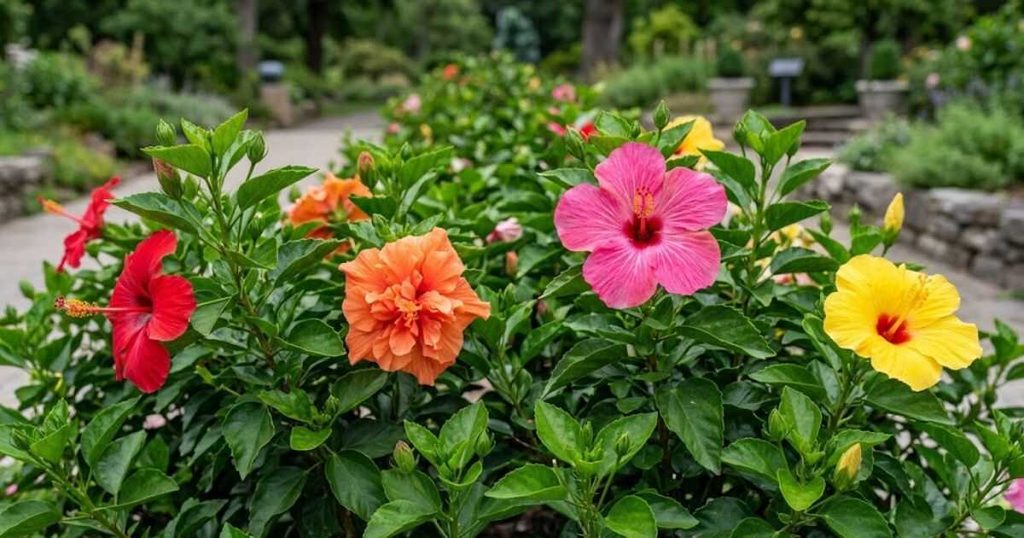
The japa plant belongs to the Malvaceae family, which includes other flowering plants in the mallow group. Hibiscus rosa-sinensis is generally grown as an evergreen shrub in tropical and subtropical climates, although cold weather can damage its foliage and stems.
Its flowers may be red, pink, yellow, orange, white or multicolored, depending on the cultivar. The familiar red tropical hibiscus is especially popular in home gardens, courtyards and outdoor containers.
Common names and identification
| Name | What it means |
| Japa or Japa Pushpa | Names used in Sanskrit and Ayurvedic contexts |
| Gudhal | Common Hindi name |
| Jaswand | Common Marathi name |
| Shoe flower | English common name |
| Chinese hibiscus or Rose of China | Other English names |
| Hibiscus rosa-sinensis | Botanical name |
These names generally refer to the tropical ornamental hibiscus, although local naming practices can vary. The botanical name is the most useful way to identify the species when purchasing a plant.
How to recognize a healthy plant
Look for firm, green leaves with naturally toothed edges and stems that remain sturdy rather than soft or blackened. New growth should appear at the shoot tips when the plant is actively growing.
A healthy japa plant does not need to carry flowers every day to be thriving. Individual blossoms can fade quickly, so judge the plant by its overall growth, foliage and formation of new buds rather than by a single flower.
The Growing Conditions That Matter Most
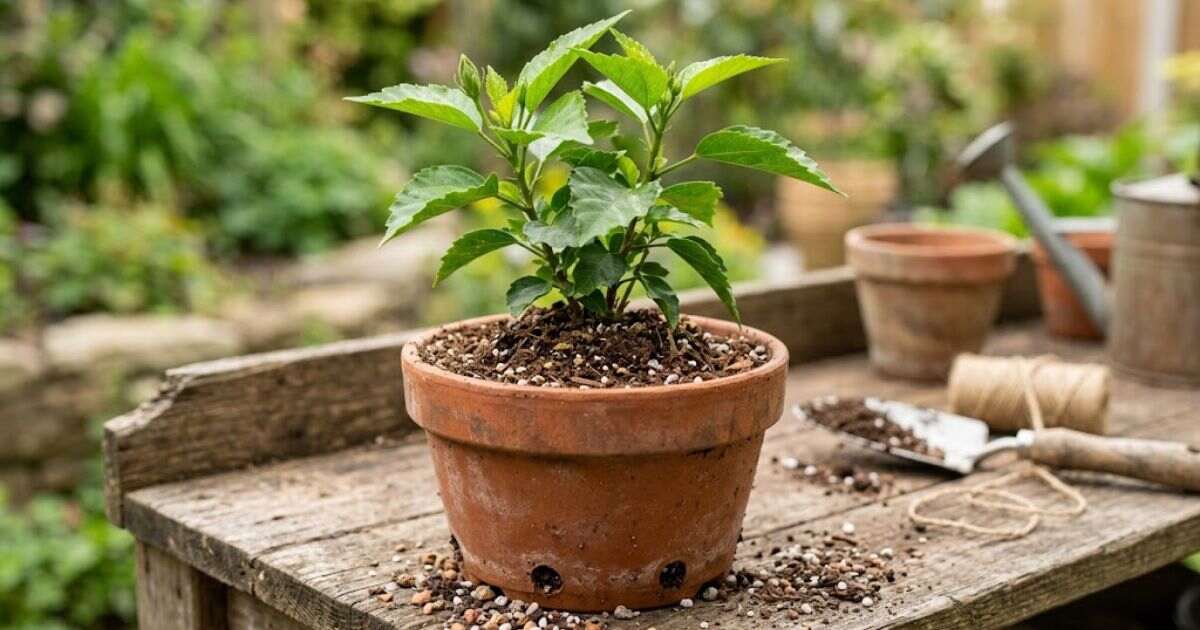
The following reference table provides a practical starting point for japa plant care. Adjust watering and feeding to your local weather, the plant’s size and the way your potting mix dries.
| Care factor | Practical guidance |
| Light | Aim for about 6 hours of direct sunlight where conditions permit |
| Water | Keep the soil evenly moist around the roots without allowing water to pool or accumulate. |
| Soil | Fertile, loose mix that drains freely |
| Temperature | Warm conditions support growth and flowering |
| Humidity | Average to moderately high humidity is generally suitable |
| Fertilizer | Apply a complete fertilizer according to its label during active growth |
| Difficulty | Moderate; watering and pests need regular attention |
| Toxicity | Do not assume every hibiscus species or preparation is interchangeable; verify the exact plant and intended use |
The light and watering recommendations are consistent with horticultural guidance for tropical hibiscus.
Smithsonian Gardens
Choosing a location for better growth
Place the japa plant somewhere it can receive strong light without being exposed to conditions it cannot tolerate. A sunny outdoor position is often ideal, but a plant recently moved from shade needs gradual acclimation to intense sunlight.
For example, a hibiscus moved directly from a sheltered veranda into harsh afternoon sun may develop scorched leaf edges. Introduce it to brighter conditions in stages and watch how the foliage responds.
Soil and Container Setup for Strong Roots
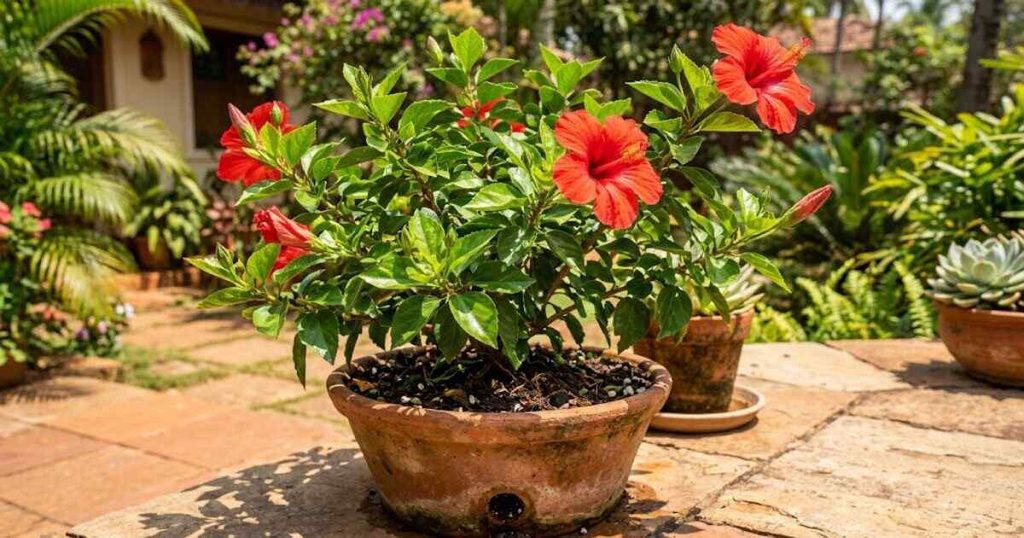
A japa plant can grow vigorously above the soil while struggling below it if its roots remain wet for too long. Good drainage allows roots to access both moisture and oxygen.
Use a quality potting mix that holds some water without becoming dense or sticky. A commercial container mix amended with a suitable aeration material such as perlite is a practical choice. Garden soil alone may compact in pots, particularly after repeated watering.
Selecting the right pot
Choose a container with unobstructed drainage holes. The pot should comfortably accommodate the existing root ball without leaving a disproportionately large volume of wet soil around it.
When roots crowd the container, water may run through rapidly and the plant may dry out sooner than expected. However, moving a small plant into an enormous pot can create the opposite problem because unused soil stays damp longer.
Repot when the roots are crowded, drainage has deteriorated or the mix has broken down. Avoid damaging healthy roots unnecessarily.
Refreshing tired potting mix
If the surface has developed a crust, water pools rather than soaking in, or the container smells sour, inspect the growing medium. Salt buildup from fertilizer can also leave pale deposits around the rim.
Refresh the mix when necessary rather than trying to solve every growth problem with extra plant food. Better root conditions often matter more than another dose of fertilizer.
Watering the Japa Plant Without Root Stress
The japa plant needs regular moisture while actively growing, but it does not benefit from standing in water. A useful watering routine begins with checking the soil instead of following a fixed calendar.
Press a finger into the upper layer of the mix and assess its moisture. If the surface is beginning to dry but the root zone still feels damp, check again later. If the pot feels dry and the plant is using water quickly in warm weather, water thoroughly until excess water escapes through the drainage holes.
Then empty any standing water from the saucer.
Adjust watering to the weather
During hot, sunny weather, a container may lose moisture much faster than it does during cloudy or rainy periods. A small pot on a hot terrace may need checking daily, while a larger container in milder weather may remain moist for longer.
These are reasons to inspect the soil frequently, not instructions to water every pot every day.
Rainfall also matters. If several days of rain have left the potting mix saturated, adding more water can deprive roots of oxygen. Conversely, hot wind can dry the foliage and container quickly even when the surrounding air feels humid.
A simple rule: check the soil, water the root zone when needed, and make sure excess water can escape.
Fertilizing for Flowers Rather Than Excessive Foliage
Active hibiscus plants use nutrients to develop new leaves, stems and flower buds. A container plant may need regular feeding because repeated watering gradually removes some soluble nutrients from its growing medium.
Choose a complete fertilizer formulated for flowering plants and follow the label’s recommended concentration and frequency. Reduce or pause feeding when growth slows significantly, the plant is stressed or temperatures are unsuitable.
Should you use a high-potassium fertilizer?
Potassium is involved in several plant functions, including water regulation and enzyme activity. However, a flowering hibiscus still requires other essential nutrients.
Do not assume that a fertilizer with the highest potassium number will always produce more flowers. Excessive feeding or an unsuitable nutrient balance can interfere with healthy growth. A soil or growing-medium assessment is more useful than repeatedly changing fertilizer products without identifying the problem.
Organic feeding options
Well-matured compost can contribute organic matter and some nutrients, but its composition varies. Commercial organic fertilizers are more predictable when their nutrient content and application instructions are clear.
Avoid pouring concentrated homemade mixtures onto roots or adding large amounts of kitchen waste directly to a pot. These practices can create unpleasant odors, attract insects or produce an inconsistent nutrient supply.
Pruning and Shaping a Bushier Japa Plant
Pruning helps control the shape of a japa plant and encourages branching. New shoots can emerge from growth points below a cut, creating a fuller outline when the plant has enough light and suitable growing conditions.
Use clean, sharp pruning shears. Remove dead, broken or diseased stems first, then shorten excessively long shoots where a leaf or side shoot can support new growth.
Timing the pruning
In warm climates, lighter pruning can be carried out when the plant is actively growing and can recover well. A more substantial trim is best timed to the local growing season rather than to a universal calendar date.
Avoid severe pruning when the plant is already weakened by drought, root problems or pest damage. Also remember that cutting off developing shoots may remove future flower buds.
If your goal is a compact, rounded shrub, prune selectively rather than cutting every branch to the same length. This creates a more natural shape and helps maintain foliage across the plant.
Propagating Japa From Stem Cuttings
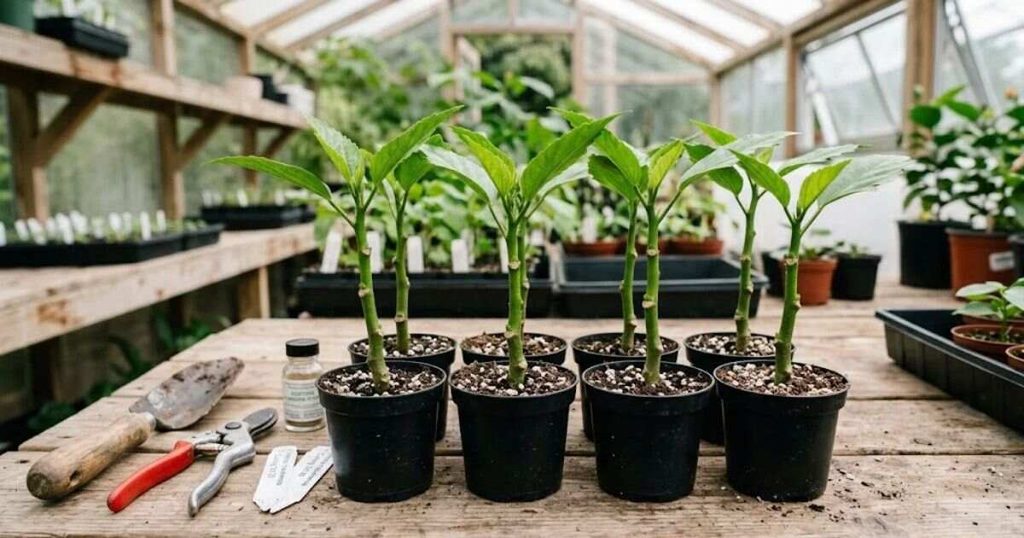
Stem cuttings allow gardeners to produce new plants that usually retain the parent plant’s characteristics. This is particularly useful when propagating a favorite flower color.
- Select a healthy, non-flowering shoot without visible pest damage.
- Make a clean cutting with several healthy nodes.
- Remove the lower leaves so they will not sit against the growing medium.
- Place the cutting in a clean, airy propagation mix.
- Keep the growing medium consistently moist and ensure plenty of bright, filtered light during root establishment.
- Check for resistance to a very gentle tug before treating the cutting as established.
Rooting time varies with temperature, the maturity of the cutting and growing conditions. Do not pull a cutting out repeatedly to check its progress; this can damage developing roots.
Once the new plant begins producing stable growth, gradually introduce it to stronger light. Move it into a suitable container when its root system can support continued growth.
The Traditional Hair-Care Uses of Japa
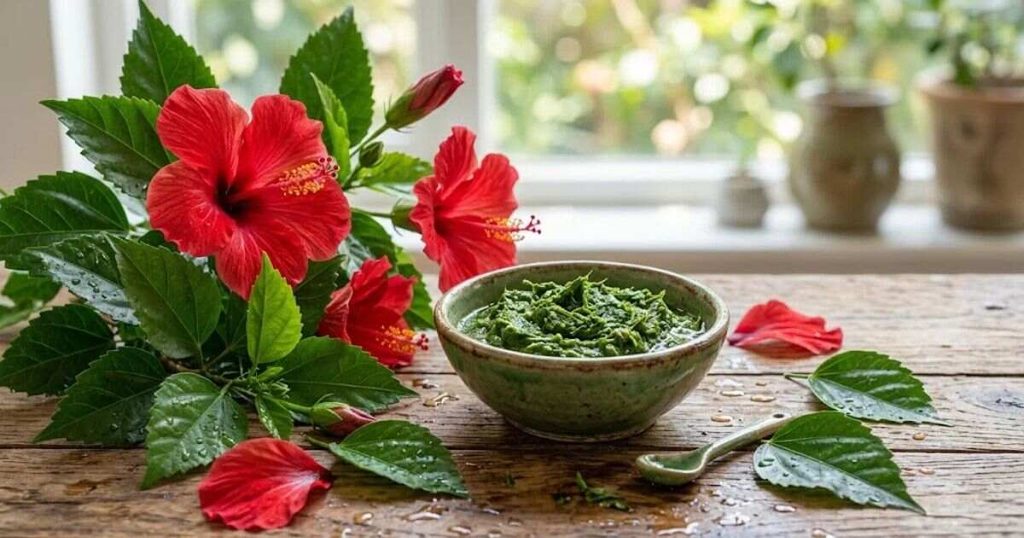
Japa has a long history in traditional Indian hair care. Both flowers and leaves have been used in homemade pastes, rinses and oil preparations. In Ayurveda, the plant is associated with preparations such as Japakusumadi Taila.
The leaves can release a slippery, mucilage-rich substance when crushed or soaked. This texture may help a homemade preparation spread through the hair and improve the feeling of softness.
However, traditional use is not proof that the plant can reverse hair loss, restore natural pigment or cure scalp disease. Research involving hibiscus extracts includes laboratory and animal findings, but robust human evidence for many popular hair-growth claims remains limited.
A simple hibiscus hair mask
You can prepare a small, fresh batch for cosmetic conditioning.
Ingredients
- A few clean hibiscus leaves.
- One fresh hibiscus flower from an accurately identified, untreated plant.
- A small amount of clean water.
Preparation
- Rinse the leaves and flowers thoroughly.
- Crush or blend them with just enough water to make a spreadable paste.
- Test a small amount on a limited patch of skin first to check for potential reactions.
- If there is no irritation, apply the mixture to the hair and scalp, avoiding the eyes.
- Rinse thoroughly and stop using it if burning, itching or redness develops.
Use clean equipment and discard leftover paste rather than storing a water-based homemade preparation for extended periods.
Does japa oil promote hair growth?
Japa oil is used traditionally to condition hair and scalp. Its effects depend on the preparation, the carrier oil and the individual using it.
An oil may reduce friction during grooming, making hair feel smoother and potentially reducing breakage from handling. That is different from proving that it stimulates new follicles or treats a medical cause of hair loss.
If hair shedding is persistent, sudden or accompanied by scalp inflammation, seek advice from a qualified healthcare professional rather than relying solely on herbal oil.
Premature greying and dandruff claims
There is not enough robust human evidence to conclude that a japa flower paste reverses premature greying. Likewise, a homemade hibiscus mixture should not be presented as a proven treatment for dandruff or a diagnosed scalp condition.
Traditional preparations may be part of personal grooming, but they should not replace an evidence-based assessment when symptoms persist.
Understanding Hibiscus Tea and Medicinal Claims
One of the most important distinctions for readers is that the ornamental japa plant is not the same species commonly used for commercial hibiscus tea.
Hibiscus sabdariffa, known as roselle, is widely associated with beverages made from its fleshy red calyces. Hibiscus rosa-sinensis is the tropical ornamental species discussed in this article.
The two should not be treated as interchangeable ingredients simply because both are called hibiscus.
Ayurvedic descriptions of japa include concepts such as Pitta-pacifying properties, Sheeta Virya (a traditional classification associated with cooling potency) and Raktashodhaka (a traditional blood-purification concept). These are terms from a traditional medical framework, not proof of a clinically demonstrated effect.
Do not use homemade japa preparations to treat high blood pressure, hormonal problems, infection or other medical conditions without qualified professional advice. Plant species, preparation methods, dose and individual circumstances can all affect safety.
Common Problems & Fixes
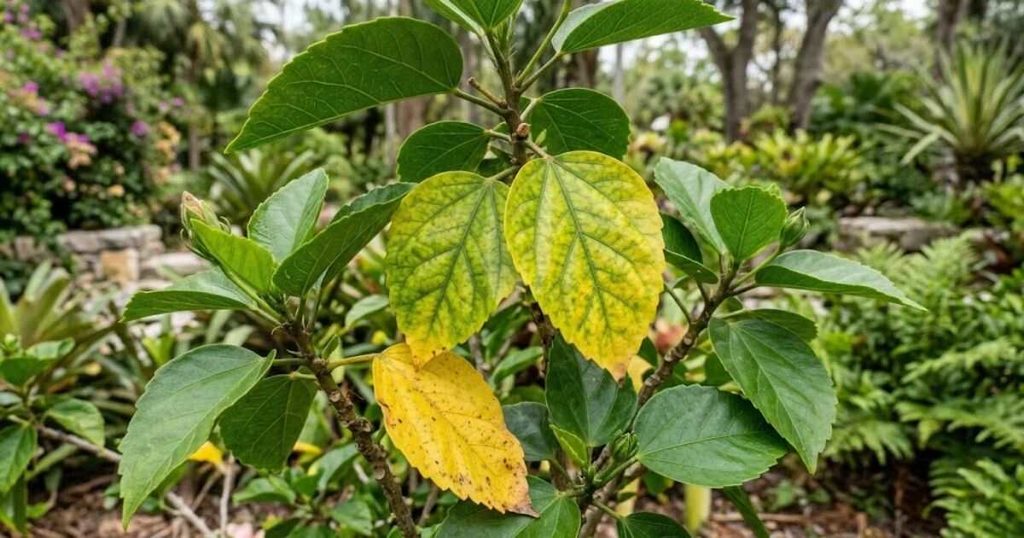
A japa plant often shows visible signs of stress before its overall growth declines. The most useful first step is to examine the pattern of symptoms and recent changes in watering, weather or plant location.
Yellowing leaves: Check whether the potting mix remains wet for long periods or dries out severely between watering. Inspect leaf undersides during routine care, as pests frequently congregate out of direct sight. If the soil conditions are suitable but older foliage continues to yellow, consider whether the plant needs nutrition or whether a specific deficiency is present.
When flower buds drop unexpectedly, evaluate environmental stressors such as temperature instability, light deficiencies, improper moisture levels, and active pests.
Review recent weather and watering changes before adding fertilizer.
Many leaves but few flowers: Check whether the plant receives enough direct light. Excessive shade can support foliage while limiting flowering. Also review pruning history and fertilizer use; recently removed shoots may have contained developing buds.
White cotton-like clusters: These may be mealybugs.Carefully examine leaf joints, stems, and the undersides of leaves during routine plant checks. Isolate a heavily affected potted plant where practical, remove small infestations carefully and use a product labelled for the pest and plant if further treatment is needed.
Fine pale stippling or webbing: Spider mites are a possibility, especially during hot, dry conditions. Inspect leaf undersides closely and wash foliage when appropriate. Repeat inspections because eggs and hidden mites may survive an initial treatment.
Sticky foliage or curled new growth: Aphids may be feeding on tender shoots. A gentle wash can remove small populations; monitor the plant for returning insects and ants.
Brown or black leaf spots: Several fungal and bacterial problems can look similar, while sun scorch and physical damage can also discolor foliage. Remove badly affected fallen leaves, avoid keeping foliage wet for long periods and improve airflow. Do not apply a fungicide until the likely cause has been assessed.
Soft, darkened stems: Persistent wet soil and damaged roots are warning signs. Check drainage immediately and inspect the root system if the plant continues deteriorating. Remove rotted material with clean tools and repot only when the condition of the roots and remaining growing medium warrants it.
A practical diagnosis sequence
When a japa plant suddenly looks unhealthy, use this order:
- Touch the topsoil to test moisture levels and verify that excess water drains freely from the pot.
- Inspect fresh shoots, young foliage, and the undersides of leaves for signs of insect activity.
- Review recent heat, rainfall, relocation or pruning.
- Check whether the plant receives enough light.
- Consider nutrient problems only after the growing conditions have been assessed.
This sequence reduces the risk of treating a water problem with fertilizer or responding to a pest problem with unnecessary pruning.
Seasonal Japa Plant Care
Plant care requirements depend on microclimate factors—such as light, humidity, and temperature, not just the month of the year.
During warm, active growth: Monitor soil moisture more frequently, maintain suitable feeding and remove damaged growth. Strong light supports flower development when the plant has acclimated to its location.
During extreme heat: Check containers more often, particularly on exposed terraces. If leaves scorch after a sudden move into direct sun, provide temporary protection during the harshest hours and reintroduce brighter conditions gradually.
During heavy rain: Make sure drainage holes remain open and the container does not sit in collected water. Do not water the plant while the potting medium is still saturated.
During cooler weather: Growth and water use may slow, so reduce watering frequency according to the soil’s drying rate. Protect tropical hibiscus from cold conditions rather than allowing it to experience frost.
After repotting or pruning: Allow the plant time to resume stable growth. Keep the root zone appropriately moist and avoid immediately compensating for temporary stress with strong fertilizer.
Frequently Asked Questions About the Japa Plant
Q1: Is japa plant the same as hibiscus?
Ans: In common Indian usage, japa generally refers to Hibiscus rosa-sinensis, the tropical ornamental hibiscus. The word hibiscus can also refer to other species, so the botanical name matters.
Q2: How much sunlight does a japa plant need?
Ans: Around six hours of direct sunlight is a useful target for many outdoor plants. In very hot climates, introduce plants to stronger sun gradually and watch for scorching during extreme afternoon heat.
Q3: Why is my japa plant not flowering?
Ans: Insufficient sunlight, unsuitable watering, temperature stress, excessive pruning and inappropriate feeding can all reduce flowering. Assess the plant’s conditions before trying a new fertilizer.
Q4: Can I grow a japa plant in a pot?
Ans: Yes. Choose a stable container with drainage holes and a well-aerated potting mix. Monitor moisture closely because container plants can dry faster than shrubs growing in the ground.
Q5: Does hibiscus oil guarantee hair growth?
Ans: No. Hibiscus has a traditional role in hair care, but strong human evidence proving that hibiscus oil reliably stimulates hair growth is lacking. Its cosmetic conditioning effects should not be confused with treating hair loss.
Q6: Can japa flowers prevent premature greying?
Ans: There is insufficient robust clinical evidence to establish that japa flowers prevent or reverse premature greying. Treat claims of guaranteed pigment restoration with caution.
Q7: Is japa tea the same as red hibiscus tea?
Ans: Not necessarily. Many red hibiscus beverages are made from Hibiscus sabdariffa, whereas the common japa garden plant is Hibiscus rosa-sinensis. Confirm the species before using any plant for food or drink.
Q8: What should I do about yellow leaves on my japa plant?
Ans: Begin your diagnosis by evaluating soil moisture levels, container drainage, light exposure changes, and potential pest activity. If yellowing continues despite suitable growing conditions, investigate nutritional deficiencies or disease rather than assuming there is one universal cause.
Final Takeaway
The japa plant rewards steady care more than constant intervention. Give it suitable sunlight, keep its roots moist but not waterlogged, feed it sensibly during active growth and inspect its leaves regularly for pests.
Its flowers and leaves also have an established place in traditional Indian hair care. Enjoy those traditions responsibly, but keep cosmetic benefits separate from medical claims that have not been adequately demonstrated in humans.
For gardeners who want reliable flowering, the best first response to a struggling japa plant is to understand its growing conditions before changing its care routine.